
October 31, 2025

Clean water is essential for every household and business. However, over time, water tanks accumulate dirt, algae, sediment, and harmful bacteria that can contaminate...

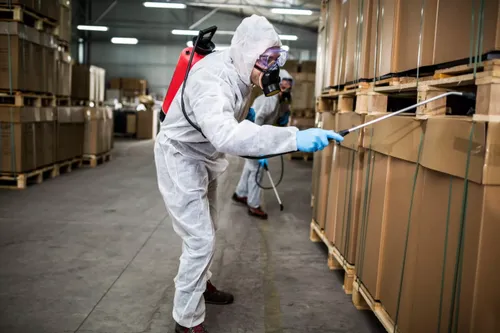
Pest control is an essential part of maintaining a healthy, safe, and comfortable home or workplace. Whether it’s cockroaches in the kitchen, termites in the walls, or rodents in the warehouse, pests can cause damage, spread diseases, and create unpleasant living conditions.
A common question many homeowners and business owners ask is — “How long does pest control last?” The answer depends on several factors, including the type of pest, the treatment method used, and the environment being treated.
Let’s explore this in detail to help you understand what to expect after a professional pest control service.
On average, a standard pest control treatment lasts between 30 to 90 days.
However, this duration can vary based on:
Professional pest control companies typically recommend quarterly treatments (every 3 months) to maintain consistent protection throughout the year.
Different pests require different approaches, and so their treatment effectiveness also varies. Here’s a general overview:
Several factors influence the effectiveness and duration of pest control treatments:
Clutter, food waste, or moisture can reduce the longevity of pest control. Regular cleaning and maintenance enhance the effectiveness of the treatment.
Heavier infestations may require multiple visits or ongoing maintenance programs to completely eliminate the pest population.
If your property is located near open fields, drains, or construction areas, the likelihood of re-infestation increases — shortening the treatment’s lasting effect.
Extreme heat, rain, or humidity can degrade chemical treatments faster, especially outdoor applications like mosquito or termite control.
Even after professional pest control, it’s important to stay alert for signs of pest activity. You may need a re-treatment if you notice:
Most pest control companies offer warranty periods (typically 30–90 days) during which they provide free follow-up treatments if pests return.
To maximize the effectiveness and duration of pest control, follow these simple maintenance tips:
These preventive steps help maintain a pest-free environment and extend the benefits of your pest control service.
For long-term protection, most experts recommend scheduling routine pest control every 3 months.
This ensures continuous coverage and allows professionals to detect and treat early signs of infestation before they become serious problems.
Businesses like restaurants, hotels, and warehouses often opt for monthly maintenance contracts due to strict hygiene standards and high pest exposure.
The duration of pest control effectiveness depends on multiple factors — from the type of pest to the treatment method and environmental conditions. Generally, treatments can last anywhere between 30 days to several years (in the case of termite protection).
To keep your property consistently pest-free, it’s best to work with a professional pest control company that provides regular inspections, follow-ups, and preventive maintenance plans.
Consistent pest management isn’t just about eliminating visible pests — it’s about maintaining long-term hygiene, safety, and peace of mind.
Clean water is essential for every household and business. However, over time, water tanks accumulate dirt, algae, sediment, and harmful bacteria that can contaminate...

Maintaining a clean, organized, and hygienic workspace is essential for any business. Whether it’s an office, retail store, restaurant, or warehouse, cleanliness directly impacts...
In today’s busy world, balancing work, family, and personal life can be challenging. Amidst hectic schedules, maintaining a clean and organized home often becomes...